
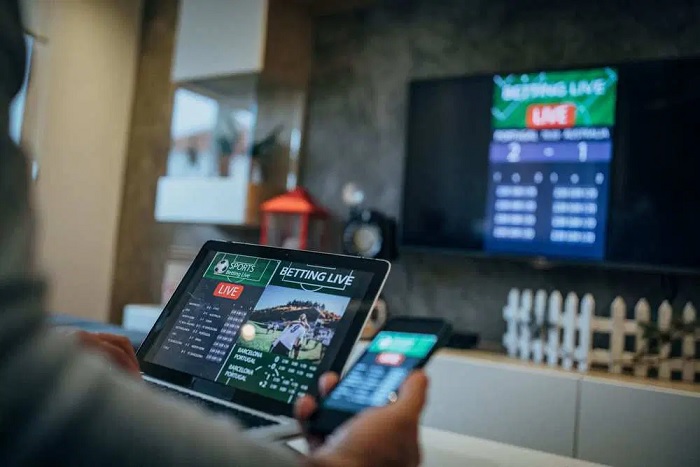
In-play betting has shifted from a niche thrill to a core part of modern sportsbooks, letting bettors react to momentum, injuries, and referee calls as they happen. It’s fast, data-driven, and powered by real time feeds that change the game for both casual fans and sharp traders.
This immediate feedback loop has created a dynamic and engaging environment that is reshaping the competitive landscape for operators. They are locked in a relentless race for speed and data quality, ensuring their odds are competitive and settlement is instant.
Why In-Play Matters Now
If you watched a match and thought, “I wish I could bet on that moment,” you already get the appeal. Modern bookmakers push live markets that update in seconds, not minutes, thanks to robust odds APIs and data services that stream scores, player stats, and event triggers into pricing engines. That technical backbone is what makes in-play betting feel immediate.
The ability for a bettor to essentially ‘trade’ a game allows for dynamic risk management, a feature completely absent from traditional pre-match wagering. The real-time feedback loop between event, odds change, and user action creates a unique strategic depth. It demands discipline, requiring bettors to rapidly calculate implied probability shifts. This makes the markets far more efficient than their static pre-game counterparts, rewarding quick, analytical decisions.
This accessibility has lowered the barrier to entry for many users, positioning in-play as the primary interface for game interaction rather than just a secondary option. The transition reflects a deeper consumer desire for instant interaction that parallels the rise of short-form, real-time media across all platforms.
How the Markets Move
Odds aren’t static. They swing with every goal, turnover, or substitution. Bookmakers use automated models and human traders to keep prices aligned with the action; some markets are fully algorithmic, others have a trader watching the feed and nudging lines when needed. The result: opportunities to hedge, scalp, or back a comeback in real time. It’s a different skill set than is demanded by pre-game research. It requires quick judgment and a cool head.
Simple Strategies That Actually Work
You don’t need a PhD to play smart in-play. A few practical approaches:
- Watch momentum, not headlines: momentum often tells you more than pre-match form.
- Use small, staged stakes — scale in and out as the game shifts.
- Hedge when value appears — lock in profit or cut losses when lines move sharply.
These aren’t magic; they’re discipline. And discipline matters more in live markets than anywhere else.
The Tech Behind the Curtain
Live betting runs on low-latency feeds, odds APIs, and settlement systems that must be near-instant. Providers supply scores, event timestamps, and advanced metrics to bookmakers, who then feed those into pricing engines and user apps. If the data lags, the market breaks. That’s why operators invest heavily in speed and redundancy — milliseconds can mean the difference between a fair price and a costly mistake.
Risks and Responsibility
Let’s be blunt: live betting raises the stakes on impulsive play. Faster markets can encourage rapid, repeated wagers, which some studies link to higher gambling harm for vulnerable players. Responsible gambling tools — timeouts, deposit limits, reality checks — are essential. Operators and regulators are still figuring out what works best, and evidence is mixed, so caution is wise.
Where It’s Headed
Expect more personalization and richer micro-markets — think player-level props that update every possession, or AR overlays in broadcasts that sync with betting lines. The market share of live bets has been growing and, in some regions, already makes up a substantial portion of total wagers, reflecting how bettors prefer action that adapts with the game. It’s not slowing down.
If you’re curious, start small. Learn how odds move, practice hedging, and treat in-play as a skill to develop, not a shortcut to quick wins.
Refresh Date: December 17, 2025